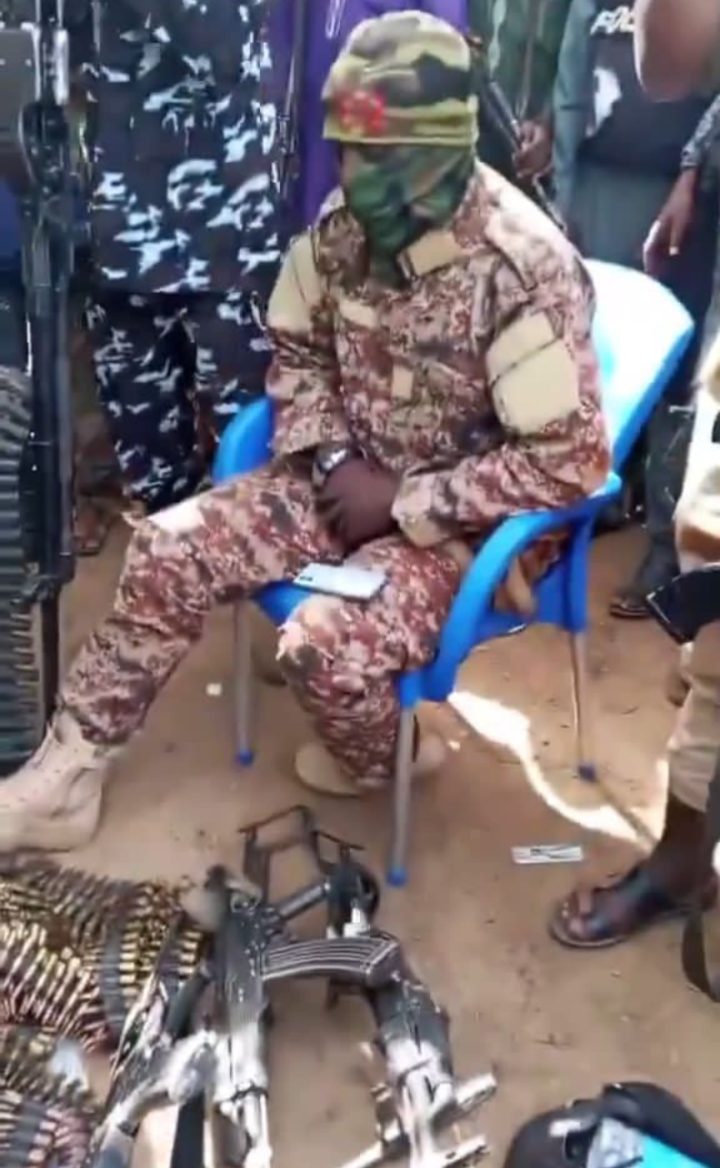
THE emergence of a viral video purportedly showing notorious bandit kingpin Bello Turji expressing a willingness to engage with the Nigerian government has reignited debate over the effectiveness of ongoing military operations in the North-West.
For years, Turji has remained one of the region’s most feared terrorist figures, linked to deadly attacks, kidnappings, and cattle rustling across Sokoto, Zamfara, and parts of Katsina States. However, according to security analysts, when a terrorist leader who once thrived on fear begins to talk about dialogue, it is often a sign that the battlefield is no longer in his favour.
Despite repeated security offensives over the years, Turji had maintained an image of strength and resilience. That narrative now appears to be under significant strain.
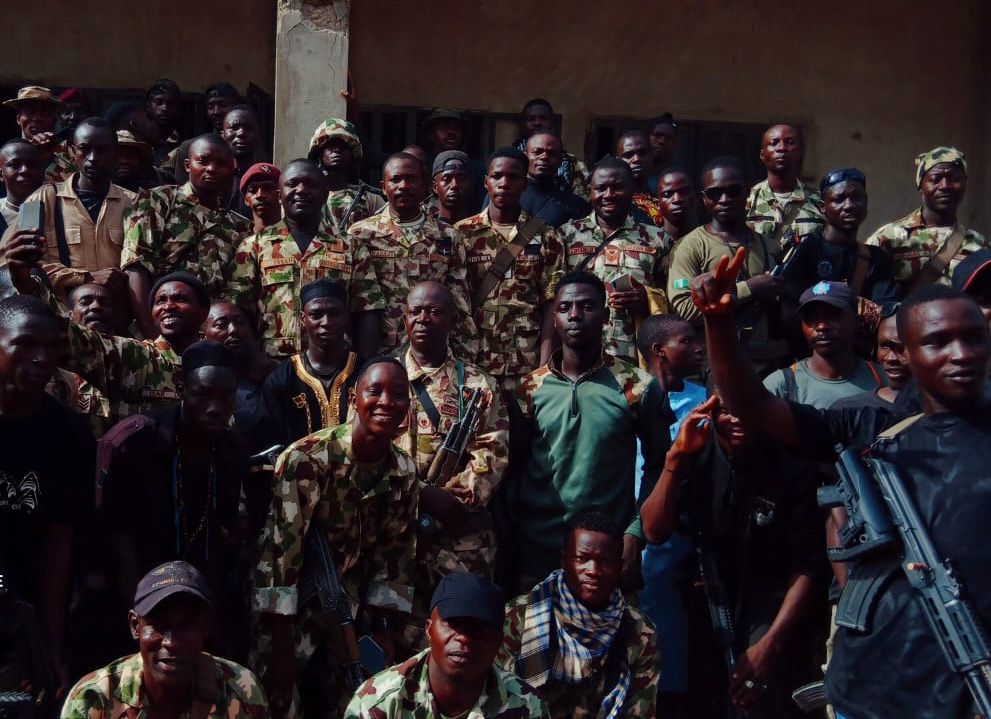
The video surfaced as troops of Operation FANSAN YAMMA intensify coordinated ground and air assaults on terrorist hideouts, logistics routes, and command structures across the North-West.
Military operations in key areas, including Shinkafi and Sabon Birni, have reportedly disrupted supply networks, destroyed camps, and severely restricted the movement of armed groups.
While Turji’s comments remain unverified, many observers view his apparent call for dialogue as a reflection of mounting pressure on his network.
Insurgent leaders rarely seek negotiations when operating from a position of comfort; such appeals typically emerge when sustained offensives begin to erode their operational capabilities.
Recent attacks attributed to fighters loyal to Turji suggest the group remains dangerous. Security experts note, however, that weakened terrorist organisations often resort to high-profile attacks to project relevance even as they struggle to maintain operational control.
Under the leadership of Major General Ibikunle Ajose and field commanders across the theatre, Operation FANSAN YAMMA has sustained considerable momentum against terrorist enclaves, supported by continuous air interdiction missions targeting criminal strongholds.
Whether Turji’s message represents a genuine desire for peace or a tactical response to growing military pressure remains uncertain.
What is clear, however, is that sustained military operations are steadily shrinking the space in which terrorist groups can operate.
For now, the message from the battlefield is unmistakable: the pressure is mounting, and the campaign against terrorism in Nigeria’s North-West is far from over.