Muhammed Abubakar, Reporting
MAIDUGURI — In the grim calculus of Nigeria’s protracted war against terror, the past week has yielded what military strategists term “operational successes” and what the abducted simply call deliverance.
On the dusty axis between Ngoshe and Amuda in Gwoza Local Government Area, troops of the Joint Task Force (North East) Operation HADIN KAI — conducting their twin offensives codenamed DESERT SANITY V and Siege Operations — intercepted a group that had been dragged into the shadows of the Mandara Mountains.
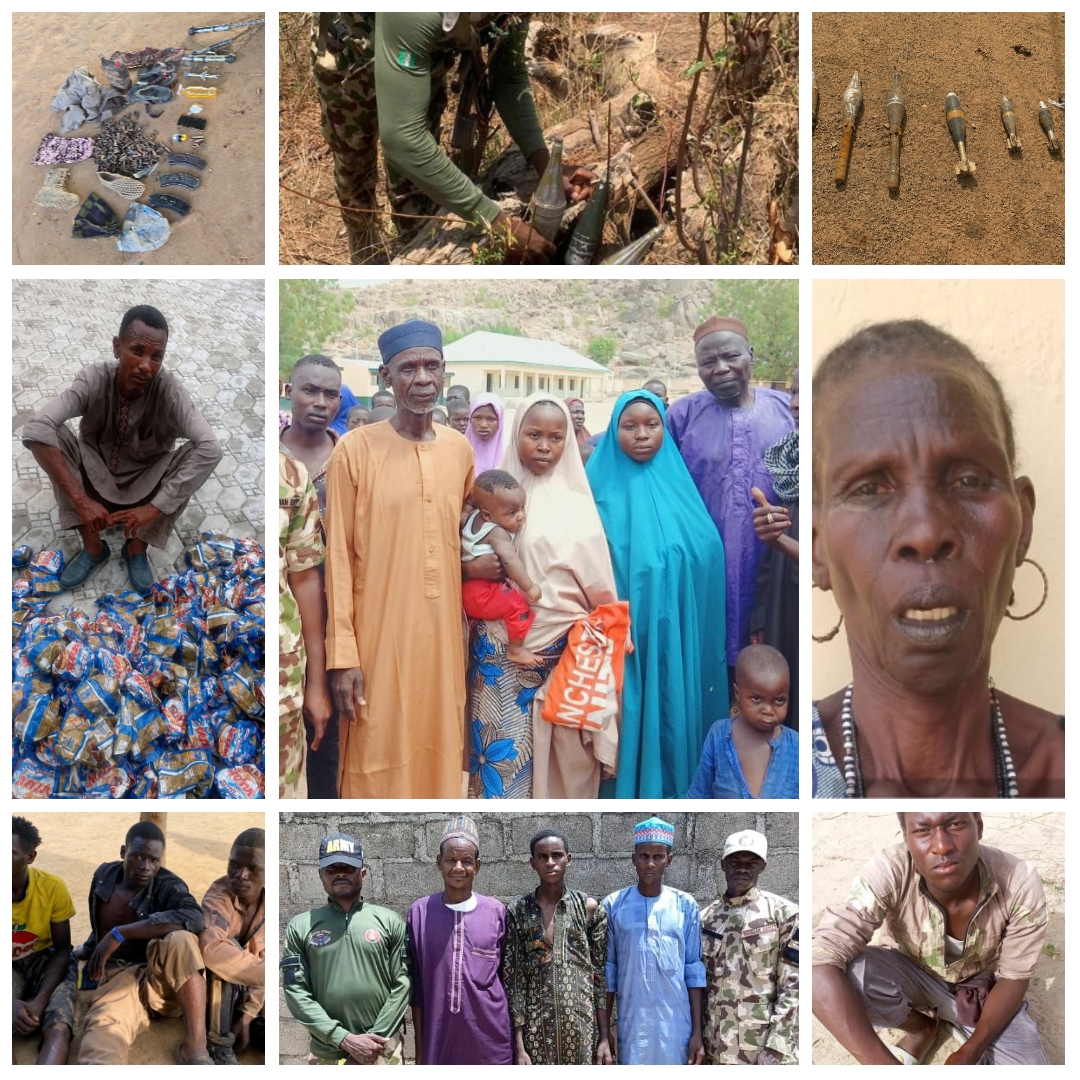
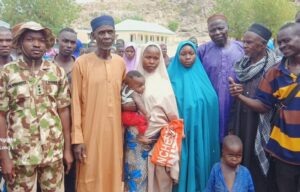
The victims emerged blinking into the harsh light of freedom: Salamatu Sidiq Ali, 19; Halima Idrisa, 20; and two small boys, Umar Abdullahi, 3, and Mustapha Abdullahi, 4.
They had been seized during the terrorist raid on Ngoshe community on March 3, 2026. For 80 days, sources say, they were held in an insurgent enclave within the mountain fastness, a labyrinth of caves and ravines that has long served as a bolthole for Boko Haram and Islamic State West Africa Province (ISWAP) fighters.
Their rescue, according to military sources, came as sustained pressure on those hideouts forced the insurgents to scatter. Preliminary debriefings suggest the captors simply abandoned their human cargo as troops closed in.
After medical evaluation — standard procedure in such operations — the four were handed back to their families through community leadership channels. So far this campaign, a total of 65 abducted persons have been pulled from the clutches of the insurgents. Operations to secure the release of others continue.
The Collaborators’ Web
But the battle against terror is fought on two fronts: the rifle and the ration.
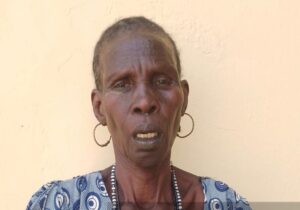
On the same day, at a checkpoint in Baga, Kukawa Local Government Area, troops arrested Mrs Kellu Alhaji Abba, 50. In her possession: clothing materials and other supplies. The intended destination, according to preliminary investigation, was a terrorist operative in the Dumba general area.
She was not alone in the logistics chain.
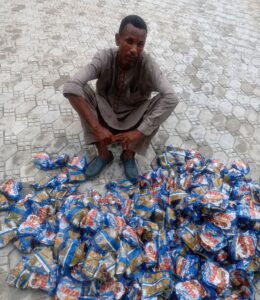
Along the Dalori axis, Mr Amadu Abdu, also 50, was intercepted transporting a large quantity of packaged goods. His alleged arrangement, investigators say, was straightforward: supplies for insurgents in exchange for access to grazing areas for his livestock. Recovered from him were packaged goods, a mobile phone, a cutlass, suspected illicit substances, and a sum of cash.
These arrests underscore a bitter reality known to every counter-insurgency veteran: the terrorist does not fight on ideology alone. He fights on maize, on millet, on clothing, on the complicity of those who profit from his violence.
Surrenders In The Shadows
Not all those emerging from the camps are rescued. Some walk out of their own accord.
Aishatu Sale, 20, surrendered to troops in Bama Local Government Area. Hauwa Abubakar, 70, escaped from a terrorist enclave in the Mandara Mountains.
Both women, according to military sources, told debriefing officers that sustained military pressure had choked the camps. Basic necessities — food, water, medicine — had become scarce. The noose, they said, had grown too tight.
All surrendered persons have been profiled and are undergoing “appropriate procedures” — a phrase that encompasses everything from rehabilitation to further investigation.
The Boy Who Ran From The Bombs
In a separate operation along the Ngoshe–Amuda corridor, troops found an eight-year-old boy wandering.
He was identified as Abubakar Mublagha, also snatched during the March 3 attack on Ngoshe. He was medically evaluated and reunited with his family.
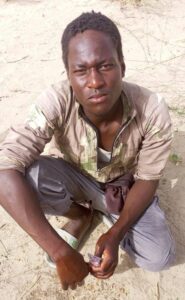
Then came Dahiru Ahamdu, 20, a Fulani male rescued around Uvaha, a deserted village along the Gwoza–Limankara axis.
His account, as provided to military sources, is telling. He was abducted on May 8, 2026, while grazing cattle at Bororo village in Madagali Local Government Area of Adamawa State. He was taken to a terrorist hideout in the Mandara Mountains.
Then came the artillery.
“Intense bombardment by troops struck terrorist camps, neutralised two insurgents, and created panic within the enclave,” a military statement read. In that chaos, Dahiru fled. He has since been reunited with his family.
Weapons, Explosives, And A Traitor In The Ranks
The recoveries tell their own story.
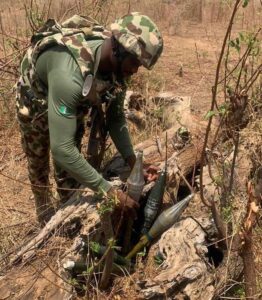
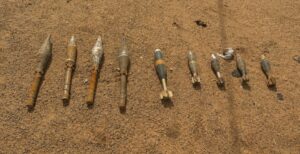
In the Magza general area, troops acting on intelligence found a cache abandoned by fleeing terrorists: four 40mm RPG bombs, one 81mm mortar bomb, and four 60mm mortar bombs. Explosive Ordnance Disposal teams secured the haul.
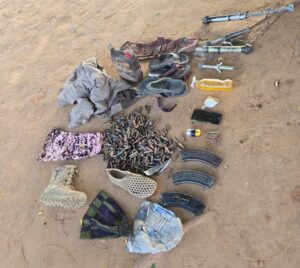
Along a known terrorist withdrawal route, troops recovered one AK-47 rifle and a loaded magazine.
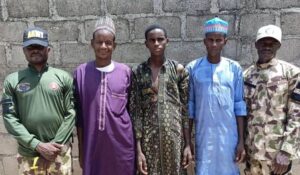
But perhaps the most troubling arrest was that of Kuti Muhammad — a member of the Civilian Joint Task Force (CJTF), the very auxiliary force raised to fight alongside the military. He was arrested over alleged links with terrorist elements. He remains in custody.
Cattle Rustlers And Armed Robbers
The criminal ecosystem feeding off the insurgency also came into focus.
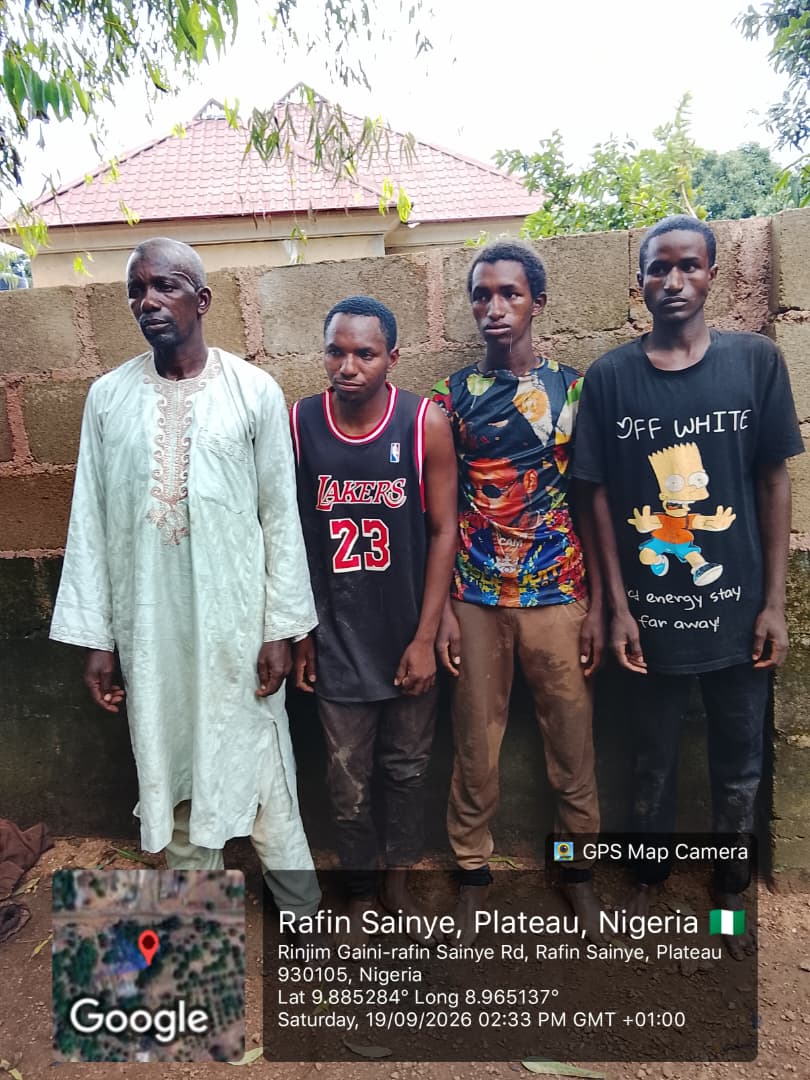
At Kwaya Kusar Market, troops in conjunction with local hunters arrested four suspected cattle rustlers and terrorist collaborators. Six rustled cattle were recovered.
In Garin Gwigwi village, Biu Local Government Area, a reported armed robbery drew a swift response. Three suspects — Aliyu Mamadu, Umar Mohammed, and Adamu Aliyu — were arrested. Items recovered included mobile phones, suspected illicit substances, charms, jewellery, cash, a dagger, a Quran booklet, and a locally made firearm.
A Dane gun earlier reported stolen was recovered and returned to its owner.
The Military’s Word
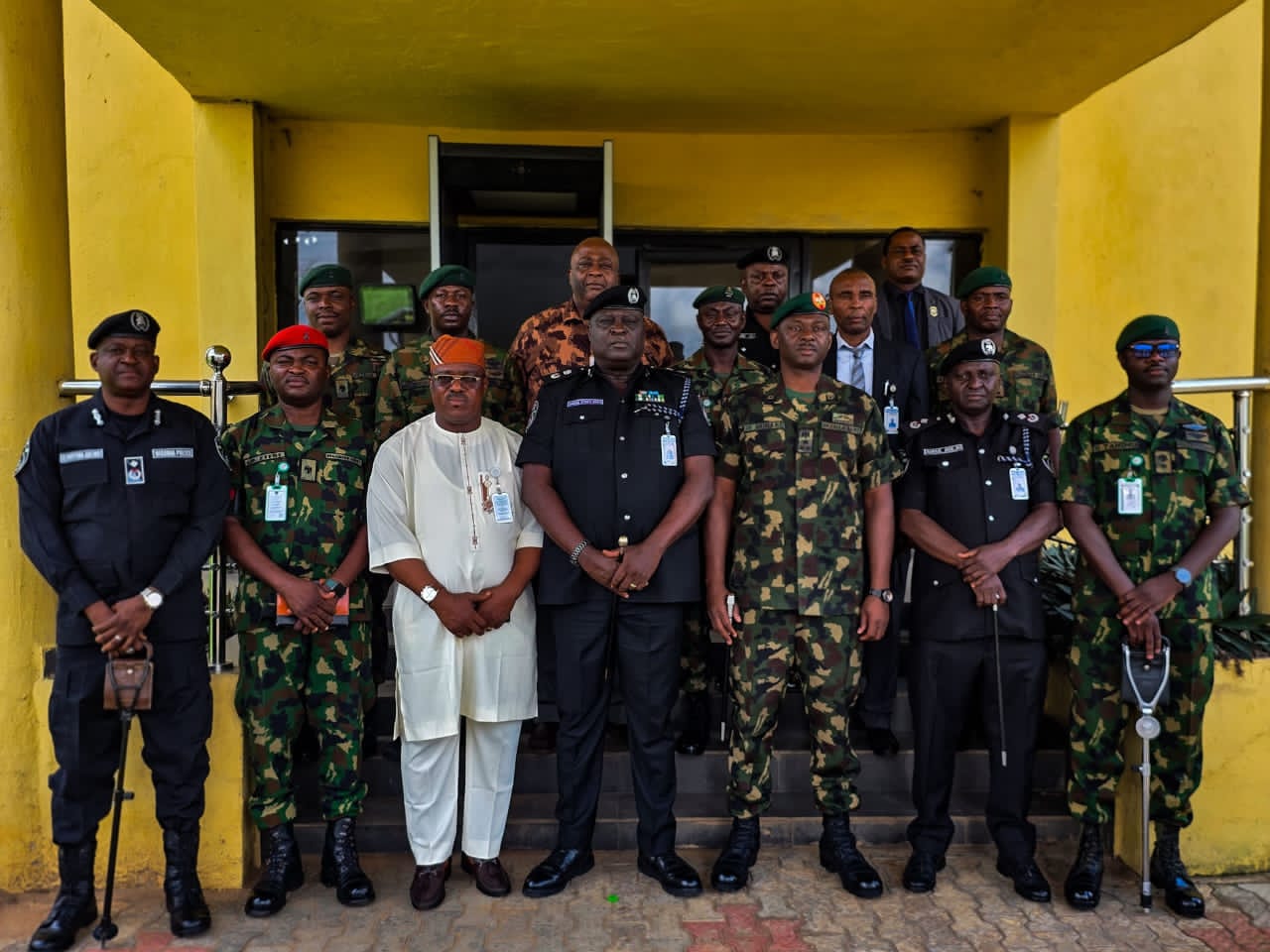
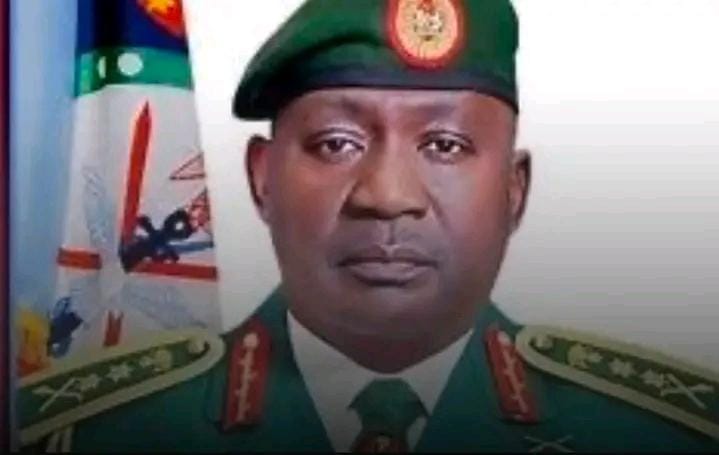
Lieutenant Colonel Sani Uba, Media Information Officer for Headquarters Joint Task Force (North East) Operation HADIN KAI, issued the statement on May 22, 2026.

“The Military High Command commends the troops for their impressive battle performance and urged them to sustain the operational tempo,” he wrote.
For the abducted, for the surrendered, for the families who wait by community leaders’ offices for news of the missing, the tempo is not an abstraction. It is the difference between the Mandara Mountains and home.